Home · Services · Basement Water Removal & Drying
Basement Water Removal & Drying in Plainfield, NJ
Quick answer
In Plainfield, the basement Water Removal & Drying scope follows the evidence: aging stacks under mature trees, low block sumps, and grade water into finished basements drive the call pattern, and the stock it serves is historic era homes, postwar ranch stock, and corridor multifamily. Diagnosis first, then a written scope, then work: that order does not change by neighborhood.
In Plainfield, basement Water Removal & Drying is read against the stock it serves: older colonial and Victorian era homes near the historic blocks, postwar ranch and cape homes across the middle sections, multifamily stock along the main corridors, and newer subdivision homes toward the northern edge. With cold winters, humid summers, and long rain seasons off the coastal plain, the local order of work is set before price, and the written scope names that order.
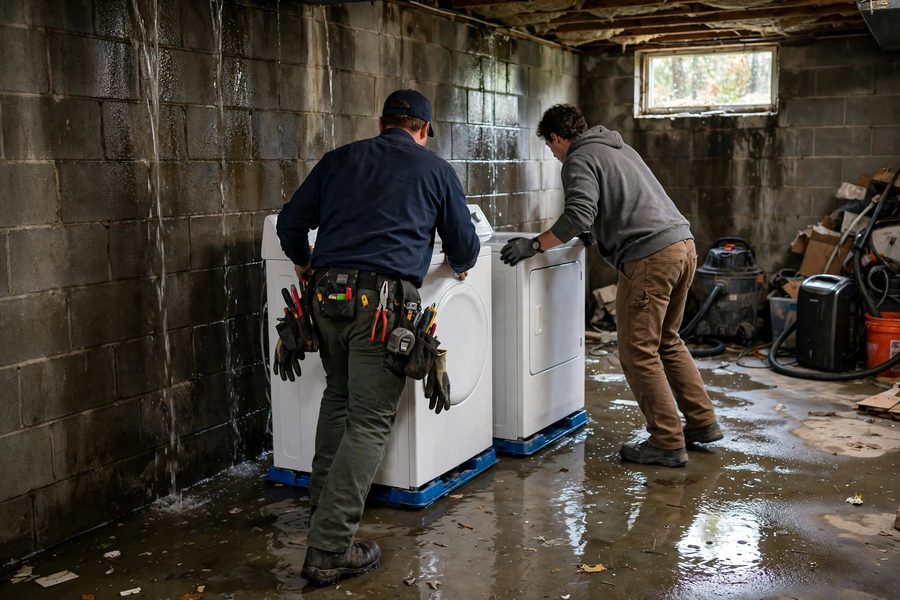
How we approach this job
Diagnosis and insurance documentation: For basement water removal & drying in Plainfield, the buying situation is a problem with a cause: find the real source, document it with photographs and readings for any claim, and only then price the fix.
Signs you need basement water removal & drying
- A failed sump pump during rain or snowmelt. It usually means finished materials hide wet framing after surfaces feel dry.
- Efflorescence or damp lines climbing foundation walls. It usually means readings at the wall base, not the calendar, end the job.
- Stored items and boxes getting wet from below. It usually means water rose through the floor or the slab joints rather than falling from above, the groundwater pattern.
- Water pooling at the base of basement walls or around the floor drain. It usually means the lowest rooms take water first and dry slowest.
What the job involves
What affects the price
- Depth and square footage of water
- Finished vs. unfinished basement (finishes hide damage and add demo)
- Sump pump status and whether discharge froze or failed
- Days of dehumidification below grade
When it is an emergency
A basement taking on water during a storm is an emergency while it is still rising - especially if the water reaches the furnace, water heater, or electrical panel. Call while it is happening, not after.
PLACEHOLDERBasement Water Removal & Drying across the Plainfield area
Related services
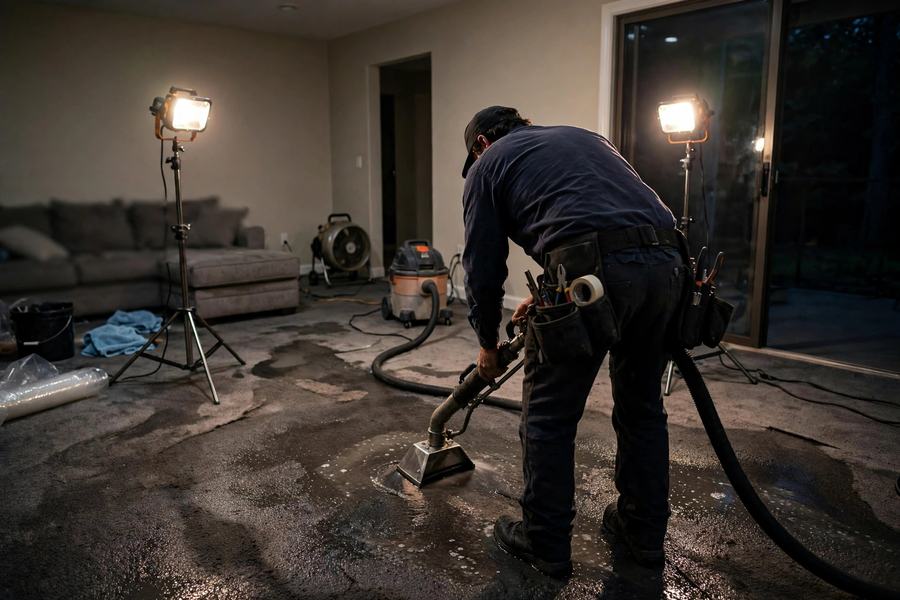
Emergency Water Removal
For Historic and Downtown Sections homes, emergency Water Removal is priced from the pattern this city keeps repeating: basement lines and older cast iron stacks fail under the mature tree blocks, sump pumps on the low blocks near the brook run through every long rain, and finished basements in the postwar sections take water from grade before anyone sees a stain. Green Brook sets the conditions, and the scope names them in writing before work starts.
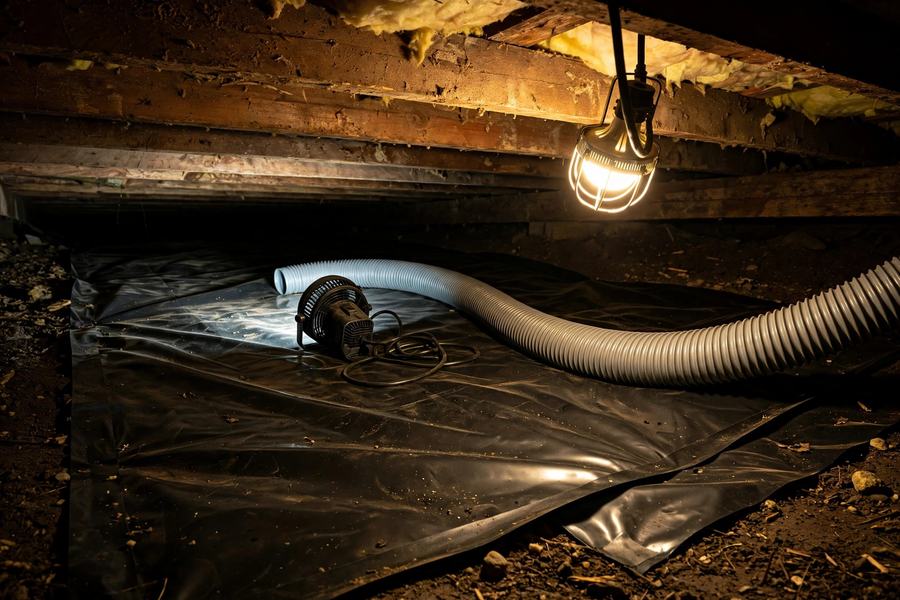
Crawl Space Water Damage
In Plainfield, crawl Space Water Damage is scoped from the documented read, not a phone guess: basement lines and older cast iron stacks fail under the mature tree blocks, sump pumps on the low blocks near the brook run through every long rain, and finished basements in the postwar sections take water from grade before anyone sees a stain. Around Northern and Corridor Sections, the written scope names the order of work for historic era homes, postwar ranch stock, and corridor multifamily before anyone commits to a price.
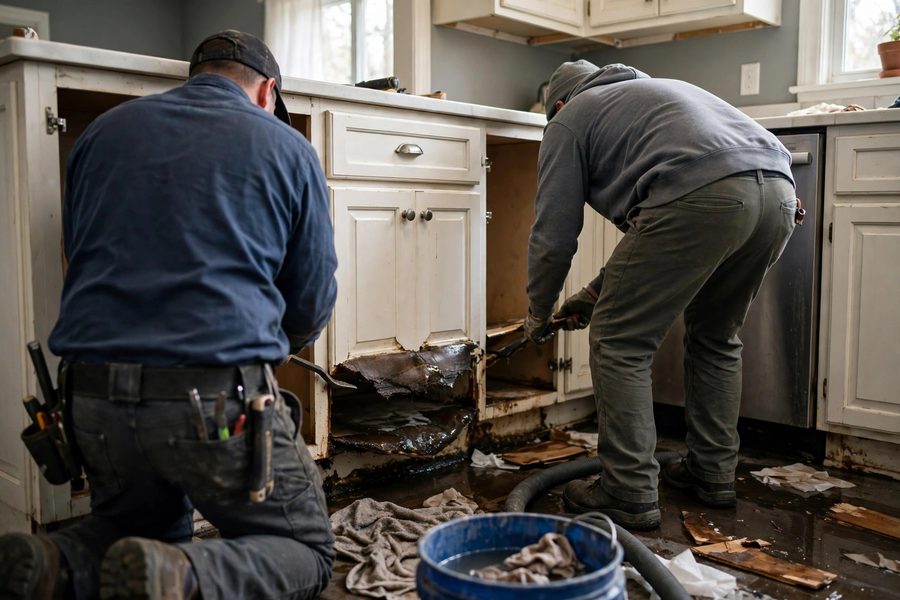
Appliance Leak Cleanup
Appliance Leak Cleanup in Plainfield starts where the record points: homes here are historic era homes, postwar ranch stock, and corridor multifamily, and aging stacks under mature trees, low block sumps, and grade water into finished basements drive the call pattern. The scope for the Historic and Downtown Sections side of the service area is written from that read, in that order.
Water Damage Restoration
The Plainfield read on water Damage Restoration runs through the local stock first: older colonial and Victorian era homes near the historic blocks, postwar ranch and cape homes across the middle sections, multifamily stock along the main corridors, and newer subdivision homes toward the northern edge. With cold winters, humid summers, and long rain seasons off the coastal plain, the order of work is set before price, and the written scope names that order.
Basement Water Removal & Drying questions, answered
When is basement water removal & drying an emergency?
A basement taking on water during a storm is an emergency while it is still rising - especially if the water reaches the furnace, water heater, or electrical panel. Call while it is happening, not after.
What affects the price of basement water removal & drying in Plainfield?
The main price factors for basement water removal & drying are covered in the cost section above. The contractor confirms the exact price in a written estimate after seeing the job, and nothing is owed until you approve it. The call and the referral are free.
Can I dry water damage myself with fans and a shop vac?
For a small, clean-water spill caught in the first hours, yes, often. Where DIY drying fails is wall cavities, under flooring, and below grade: surfaces feel dry while framing stays wet. If water reached walls, flooring seams, or a basement, metered drying is what prevents the second, mold-shaped bill.
Will there be mold after water damage?
Mold needs moisture, food (drywall paper, dust, wood), and time. Fast extraction and verified drying remove the moisture leg, which is why speed matters more than any spray. If a loss sat for days before drying, the contractor will check cavities and can tell you plainly what they find.
How long does structural drying take?
Most residential losses take 3-5 days of equipment time. Hardwood, plaster, and below-grade spaces run longer; carpet over slab is faster. Daily moisture readings, not the calendar, decide when equipment comes out.
Request a callback
Prefer to talk later? Leave your details and an independent local pro will call you back. No charge to you, no obligation.
Green Brook Restoration is a free referral service. Submitting this form connects you with independent local contractors who provide the work.